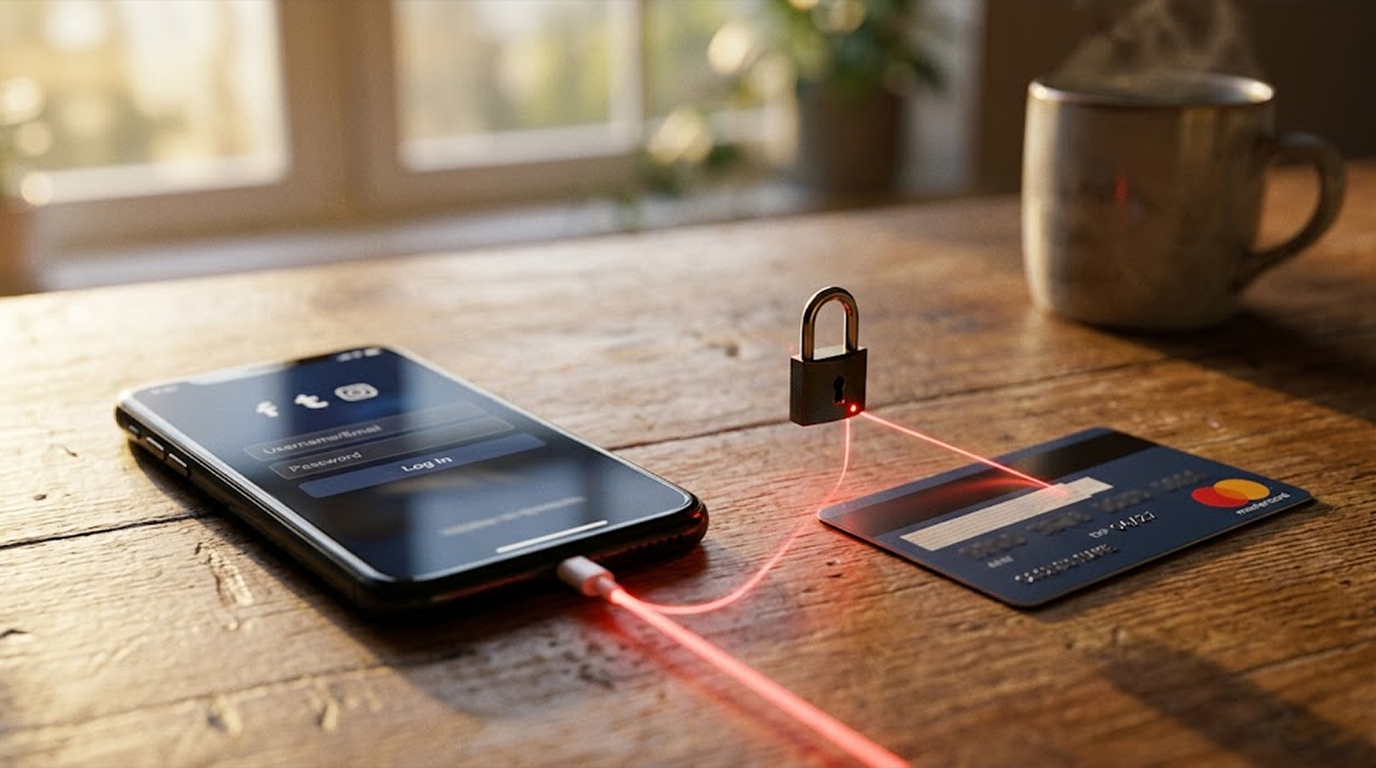
Sharing details about your life on social media might feel harmless, but it can put your privacy and security at risk. Cybercriminals and malicious actors often use overshared information to target individuals for scams, fraud, or identity theft.
Why Oversharing Is Risky
- Identity Theft
Personal information such as your full name, birthdate, or address can help attackers steal your identity. - Social Engineering Attacks
Scammers can use details from your posts to create convincing phishing attempts or impersonate someone you trust. - Physical Security Risks
Sharing your location or vacation plans publicly may alert burglars that your home is unoccupied. - Professional Reputation
Oversharing inappropriate or controversial opinions can harm your career prospects or current employment. - Targeted Advertising and Data Exploitation
Companies and third parties can use overshared data to manipulate your preferences or track your activities.
How to Protect Yourself
- Review Privacy Settings
- Limit who can view your posts to trusted friends or connections.
- Turn off location sharing unless necessary.
- Think Before Posting
- Avoid sharing sensitive information like financial details, ID documents, or personal schedules.
- Consider the long-term impact of your posts.
- Beware of Geotagging : Disable geotagging on photos and posts to avoid broadcasting your exact location.
- Use Strong Passwords and Two-Factor Authentication (2FA) : Secure your social media accounts to prevent unauthorized access.
- Be Wary of Quizzes and Apps: Many quizzes collect personal data that can be misused. Research the apps you use for data handling practices.
The Role of Digital Awareness
Educating yourself and others about the risks of oversharing can go a long way in fostering safer online habits. Social media is a powerful tool, but it’s essential to use it mindfully.